


Label design development
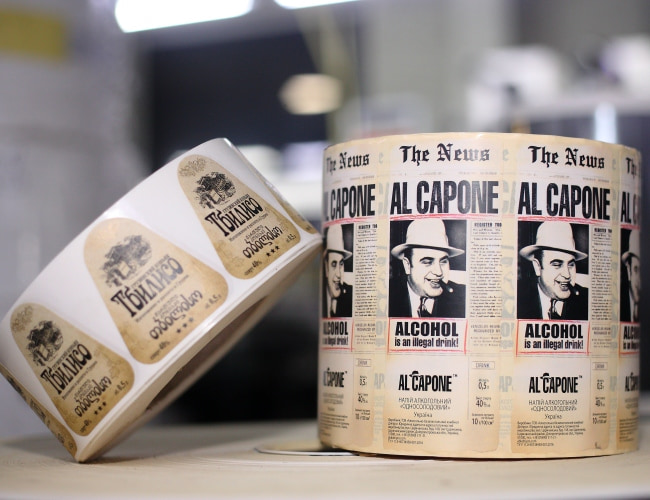
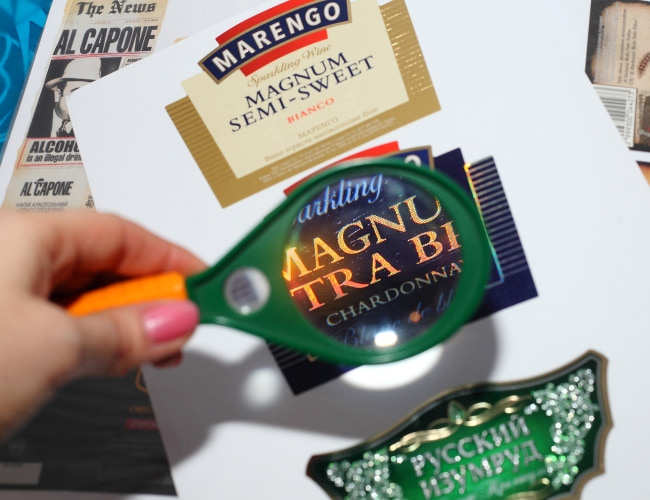
In recent time, label design and its impact on the consumer, as well as on the sales volume of products have become a matter of increasing interest from the manufacturers. Thanks to unusual design of a label, the consumers more often pay attention to the product and prefer it to other trade marks.
Undoubtedly, the quality of the product is of great importance, but it is not enough to significantly increase the company’s sales volume. Along with the quality of products, due attention should be given to their appearance and design of packaging.
LABEL DESIGN
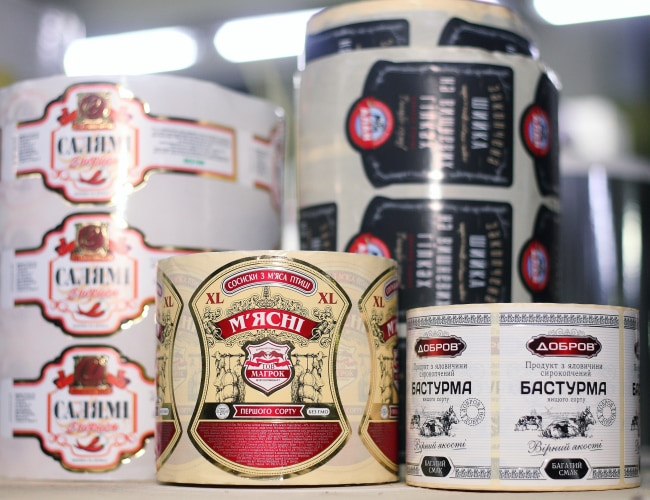
The label draws attention to the product, sets it apart from competitors, and convinces the buyer to purchase this product, reports on the key advantages of the product. Today developing labels is a whole industry, and the label itself is a work of art. Label design is a harmonious blend of marketing approach and creative idea of the designer.
The label design should reflect the general corporate identity of the company or brand with the help of created artistic images; moreover, it should emphasize the main advantages of the product and meet its functional purpose.
LABEL DESIGN DEVELOPMENT
The label design development is a complex creative and technological process that takes into account such factors as:
- Preferences of the target audience;
- Design of competitive trademarks;
- Technological requirements and legislative restrictions;
- Product features and type of packaging;
- Market latest trends.
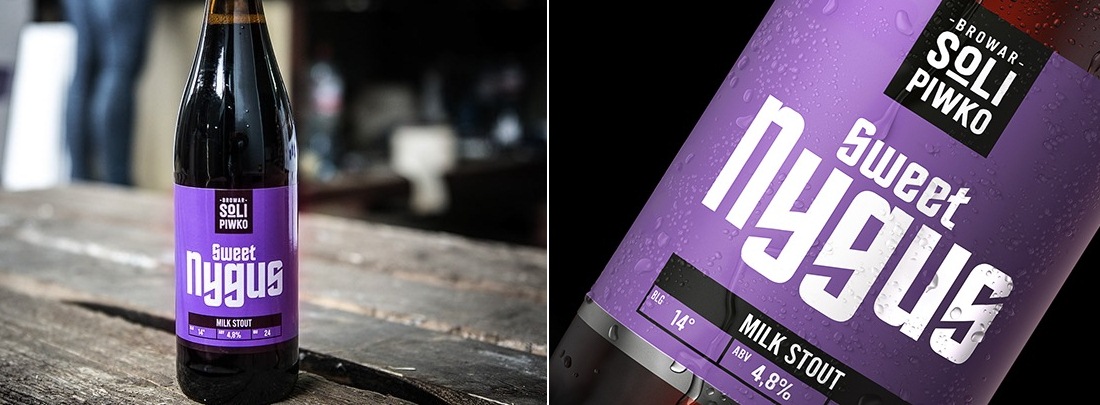
How to start label developing? First of all, it is necessary to define the following:
- Target audience of the product;
- Size and form;
- Method of creation, design and print;
- Selecting materials for production;
- Selecting graphic and text elements;
- Creating a unified artistic image of the product.
When developing the label design, the results of market research, competitors and target audience are of special importance. First of all, to make the right design solution that can create both conscious and subconscious desire to buy the product.
The process of developing a label for alcoholic beverages (labels for vodka, wine, beer) consists of three main stages:
- Creation of the main label;
- Back label;
- Collerette.
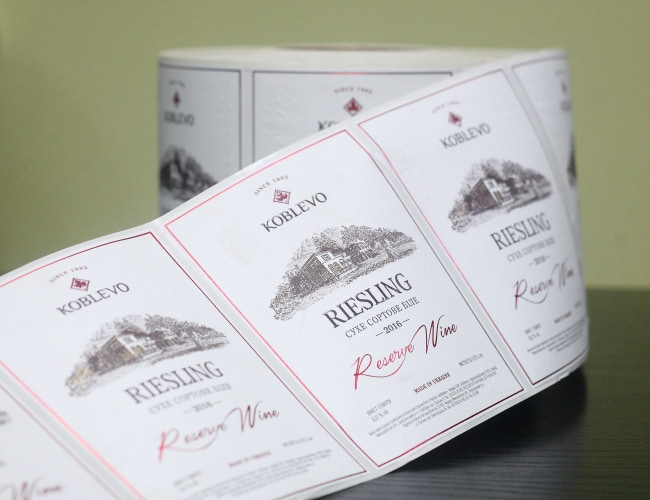
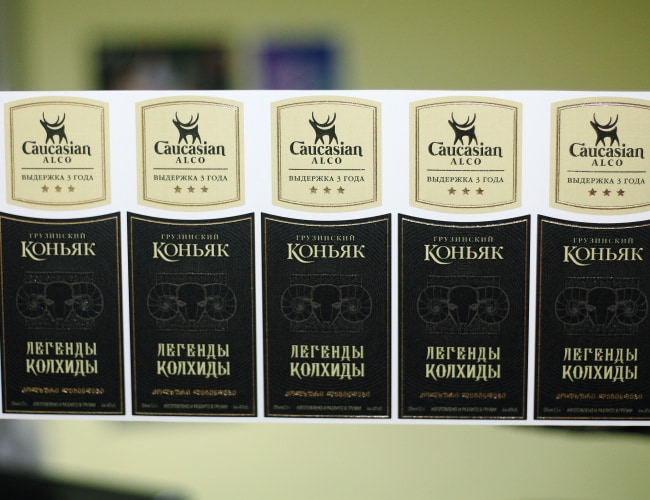
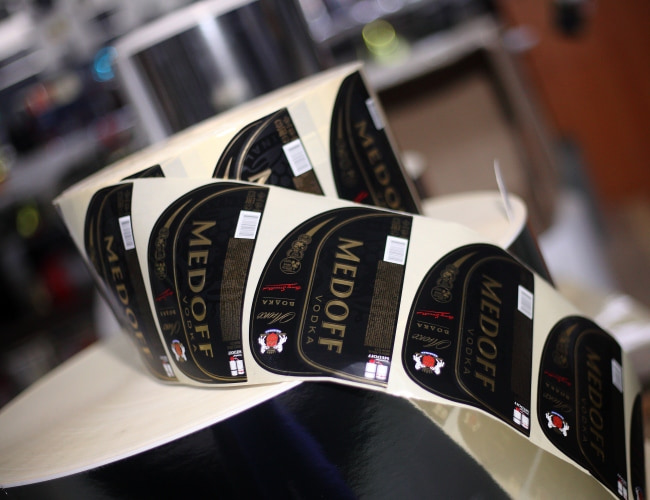
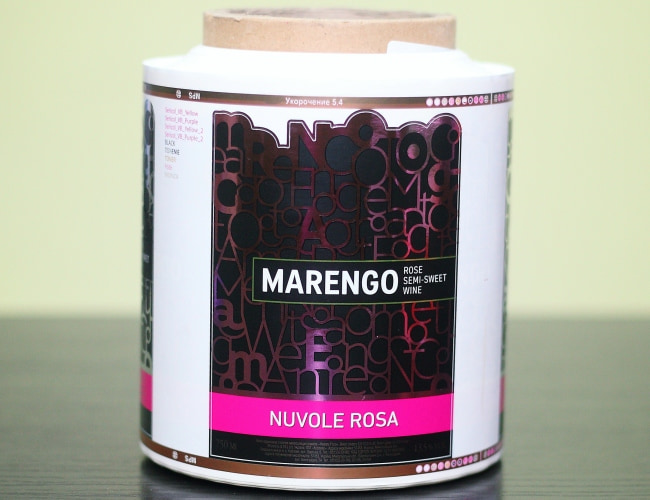
The main label is the central element of the product packaging, which is placed on the bottle body. It contains the logo or other brand symbols, name, strength and type of the drink.
The collerette is placed on top of the bottle. It is a miniature label containing brand symbol, logo, product name and vintage year.
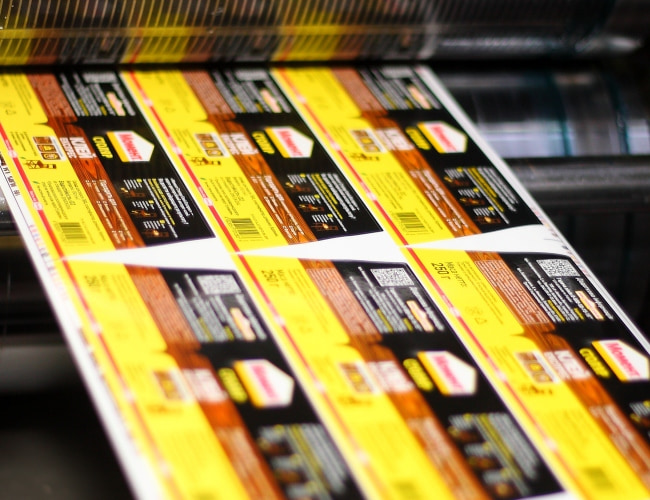
The back label is placed on the back of the bottle body. It includes detailed information about the product - manufacturer, composition, strength, nutritional value, volume, barcode, quality seals.
The professional design of packaging and labels provides to the consumer the information about the quality of the product, creates an attractive product appearance.
11 RULES FOR CREATION OF A SELLING LABEL
Label design is a creative process, a flight of designer's imagination, and therefore it is practically impossible to establish a strict set of rules for label creation. However, we have decided to identify a number of recommendations that will allow you to create an attractive and memorable product image.
1. Colour. When selecting a colour scheme, such factors should be taken into account as the colours of competitive trade marks, the type and function of the products, the colour of the package itself - the label should stand out against its background and at the same time blend with it.
2. Graphics. Selection of quality images and additional graphic elements enabling creating a convincing artistic image.
3. Text. Readability of the text and simplicity of wording of the phrases on the label are of crucial importance. The text can only attract the buyer's attention for 2-3 seconds, and if it is incomprehensible or unpleasant to perception, it will only alienate the potential buyer.
4. Font. It is better to use common fonts, they are well recognizable, easy to perceive. The style of the font should correspond to the product and its functional purpose. No more than 3 fonts of different styles can be used on the label.
5. Material. Before you start working on a label, it is necessary to select a list of materials from which it will then be manufactured - transparent paper, white or cream, formation and textures used on its surface, etc.
6. Selection of label finish - matte or glossy. The matte surface guarantees easy readability of graphic elements.
7. Number of labels. A manufacturer should make a choice to create one front label or two labels to be placed on the front and back of the package. The use of different labels allows you to separate the trade mark name from the general information about the product, thus improving the recognition and visual perception of the brand.
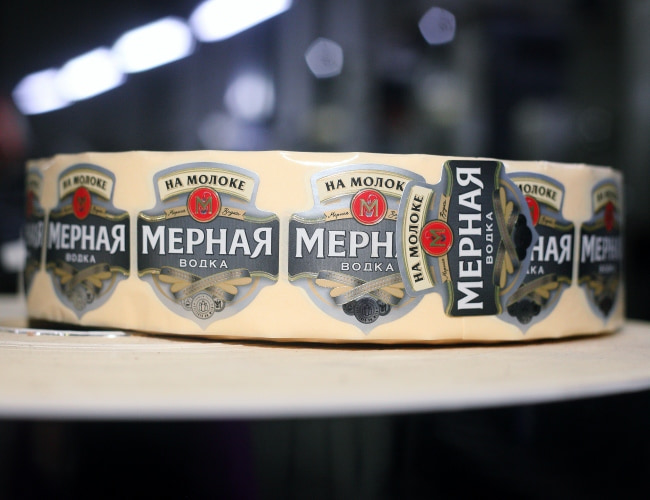
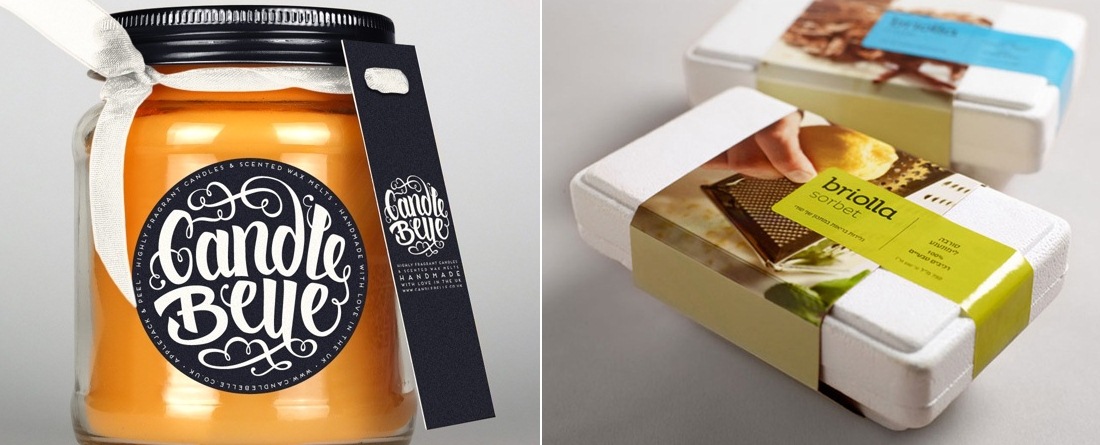
8. Shape. Irregular shape of the label will guarantee additional attention to it and will not require redesigning for hundreds of years.
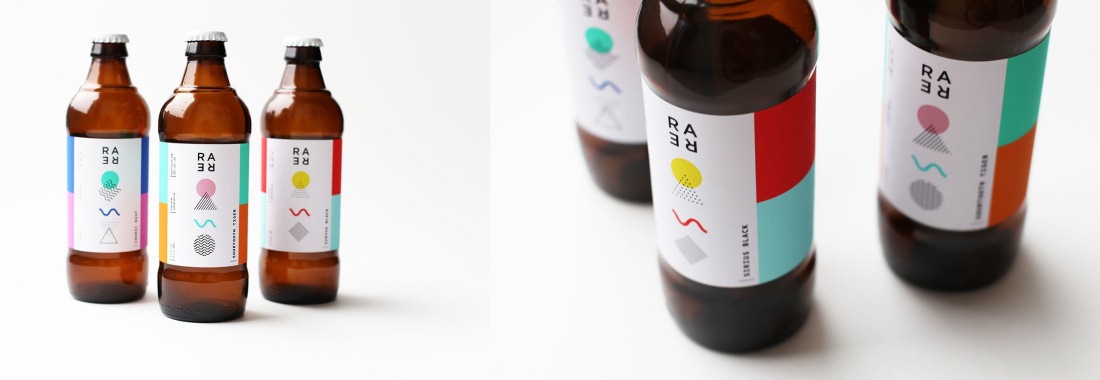
9. Common style. When one brand offers different types of products (for example, different kinds of juices), it is important to keep a recognizable label for each type of product.
10. Contact details of the manufacturer. A modern label should contain contact information about the manufacturing company so that those who wish could contact it easily. This enhances the reputation of the trade mark and contributes to increasing consumer confidence in the brand.
11. Story of your brand. People love interesting stories, and you can create in such a way a strong emotional connection between the consumer and the brand.